Best Things to Do in Curaçao
The best things to do in Curacao: shore-dive straight off the beach, walk UNESCO Willemstad, sail to Klein Curacao, and spot wild flamingos at dusk.
Curaçao rewards travelers who like a little of everything. In one day you can drop straight off a beach onto a coral reef, wander the pastel waterfront of a UNESCO World Heritage capital, taste the original blue liqueur where it is still made, and watch wild flamingos wade through a salt pan at dusk. This Dutch Caribbean island sits low and dry off the coast of Venezuela, well south of the hurricane belt, which means warm, sunny, reliable weather almost year round. This guide ranks the experiences that actually earn a place on your itinerary, with honest notes on timing, who each one suits, and how to link them together.
Most of what you will want to do clusters around three areas: the capital, Willemstad, with its harbour and historic districts; the resort-and-beach belt of Jan Thiel and Spanish Water on the southeast; and the wilder west end, known locally as Bandabou, where the best beaches and the big national park sit around Westpunt.
Explore Willemstad, the UNESCO Capital
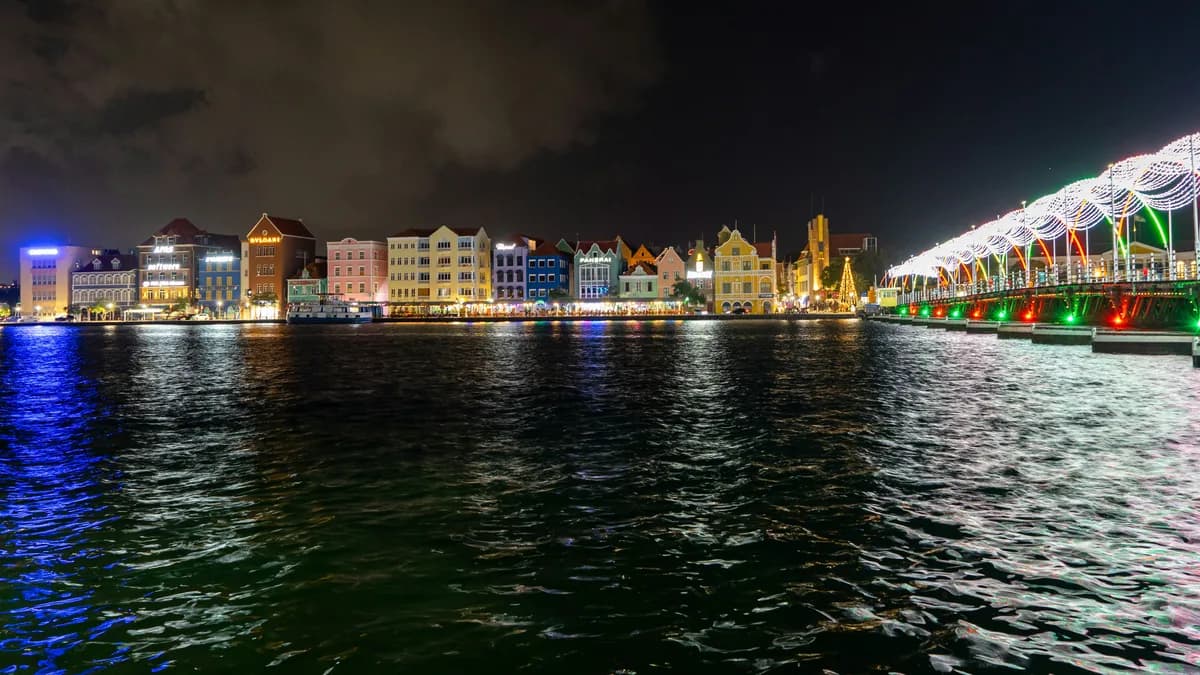
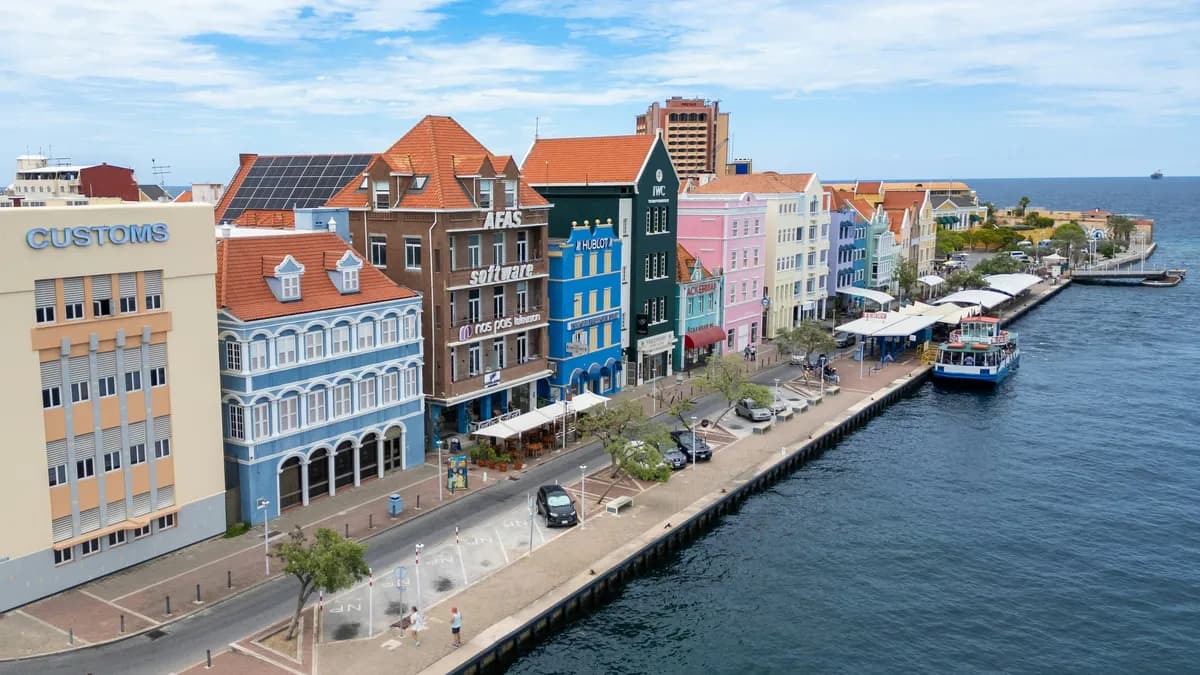
Start in Willemstad. The candy-colored Dutch colonial townhouses lining the Handelskade waterfront are the island's signature image, and the whole historic center has been a UNESCO World Heritage Site since 1997. The harbour splits the old town into two halves, Punda and Otrobanda, joined by the floating Queen Emma Bridge, a pontoon walkway that swings open on the water to let ships pass. Crossing it on foot is free, and watching it swing aside is one of those small, only-here moments.
On the Punda side, step inside the Mikvé Israel-Emanuel Synagogue, the oldest synagogue in continuous use in the Americas, famous for the fine white sand covering its floor. Nearby, Fort Amsterdam still anchors the harbour entrance and now houses the island's government offices, with a small church and a cannonball lodged in its wall. Across the water in Otrobanda, the Kura Hulanda Museum gives a sobering, important account of the transatlantic slave trade and Afro-Caribbean history. To pull it all together, a Willemstad walking food tour threads the back streets and markets while you taste local dishes, including the national dish, keshi yena, a baked round of cheese stuffed with spiced meat.
Shore Diving and Snorkeling
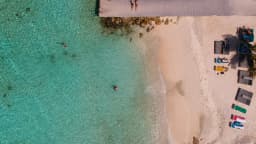
This is the experience Curaçao is built for. The calm, clear leeward coast on the south and west drops onto healthy coral reef often just a short swim from the sand, which makes the island one of the best places anywhere for shore diving. You can suit up at a dive shop, walk in off a beach, and be on a reef wall within minutes, no boat required. That accessibility is rare, and it keeps costs down too.
Where to get in the water
Playa Porto Mari has a famous double reef and easy entry, while Playa Lagun, a small cliff-framed cove, is one of the most reliable spots on the island for snorkeling with turtles. Calm, sheltered bays like Cas Abao, Daaibooi and Director Bay are all good for an easy float over coral. Much of this underwater landscape is protected within the Curaçao Marine Park, which helps keep the reefs in the condition that draws divers back. If you would rather not deal with currents, Caracasbaai is a popular, sheltered entry point near town. Tap water on the island is desalinated and safe to drink, so refilling between dives is no trouble.
Sail to Klein Curaçao
If you do one boat trip, make it the Klein Curaçao day trip. Klein Curaçao is a flat, uninhabited islet about a 90-minute sail off the southeast tip, ringed by white sand and clear shallows, with a lonely lighthouse and an old shipwreck on its windward shore. Boats leave early, usually with breakfast on the way out, a barbecue lunch on the beach, and time to snorkel before the afternoon return. The crossing can be choppy, so it suits travelers who do not mind open water and is best saved for a calm-weather day. Bring reef-safe sunscreen and a hat, because there is almost no natural shade on the island beyond the operators' palapas.
Christoffel and Shete Boka National Parks
The dry, cactus-studded interior of the west end is far greener and hillier than the beach photos suggest, and two adjoining parks make the most of it. Christoffel National Park protects the island's highest point, Mount Christoffel, and a network of hiking and mountain-bike trails through scrubland where you might spot the rare Curaçao white-tailed deer, iguanas and orchids. The standout is the Christoffel sunrise hike to the summit, a steep scramble best started before dawn to beat the heat and catch the view across to the sea.
Right next door, Shete Boka National Park guards the wild, rough north coast, where Atlantic swells crash into limestone inlets and blast up through Boka Tabla, a sea cave you can stand inside as waves thunder beneath you. A coastal trail links several of the inlets, or bokas, and the contrast with the calm leeward beaches is striking. Wear real shoes here; the rock is sharp.
Taste the Original Blue Curaçao
The bright-blue liqueur that bartenders pour into cocktails worldwide was born here, distilled from the dried peel of the bitter laraha orange that grows on the island. You can see how it is still made at the Curaçao Liqueur Distillery at the historic Landhuis Chobolobo, a restored 19th-century plantation house near Willemstad. The blue Curaçao distillery tour walks you through the small-batch process and ends with tastings of the different colors and flavors, which are identical apart from the dye. It is an easy, low-effort outing and a genuine piece of island heritage, not a manufactured tourist stop.
Flamingos, Dolphins and the Sea Aquarium
For wildlife, Curaçao delivers more than its size suggests. Wild Caribbean flamingos gather in the shallow salt pans inland, and the reliable place to see them is the Jan Kok flamingos near Sint Willibrordus, best at sunrise or late afternoon when they feed; keep your distance and use a zoom lens, as they spook easily.
Closer to town, the Curaçao Sea Aquarium at Mambo Beach connects directly to the open sea, so its tanks hold living reef rather than recreated habitat. It is the base for the Dolphin Academy, where you can swim with dolphins or, for certified divers, dive alongside them, and for a range of sea aquarium encounters with rays, sea lions and reef fish. It is the most kid-friendly half day on the island. For a quieter natural detour, Hato Caves takes you underground past limestone formations and a colony of bats, and the gardens at Den Paradera explain the island's traditional medicinal plants.
More Ways to Fill a Day
Beyond the headline experiences, the island packs in plenty more. On the water, a sunset catamaran sail is the easy crowd-pleaser, while steady trade winds on the southeast make Curaçao a quiet favorite for kitesurfing, and the offshore depths off the leeward coast set up good deep-sea fishing. For a gentler pace, mangrove kayaking in the Rif Mangrove Park glides you through tunnels of mangrove roots that act as a nursery for young reef fish.
On land, an ATV or buggy tour is the most efficient way to reach the dusty back roads and hidden beaches of the far west, and the ostrich farm on the east side runs an ostrich farm safari that is an easy hit with families. When it is simply time for sand, the west-end beaches are the prize: the twin coves of Playa Kenepa Grandi and Playa Kenepa Chiki are postcard material, the fishermen at Playa Grandi clean their catch and draw turtles in close, and Playa Forti has a small cliff jump for the brave. Nearer town, Jan Thiel Beach and lively Mambo Beach bring loungers, bars and easy parking, while Playa Jeremi stays wild and undeveloped.
How to Fit It Together
Curaçao is compact, but the best beaches and parks sit at the far west end, a drive from town, so a little grouping saves a lot of back-and-forth:
- Base your sightseeing day in Willemstad. The bridge, synagogue, forts and museums are all walkable, so do them together and finish with a harbourside dinner.
- Group the west end. Pair Christoffel and Shete Boka with a long afternoon at Kenepa or Cas Abao, since they are all out in Bandabou.
- Save Klein Curaçao for a calm-weather day, because the crossing is rougher when the wind is up.
- Catch the flamingos at the edges of the day. The Jan Kok salt pans are best at sunrise or late afternoon.
- Rent a car if you can. Driving is on the right, US dollars are accepted alongside the local guilder, and there is no Uber, so a car gives you the most freedom; Konvoi buses and fixed-fare taxis cover the gaps.
Frequently Asked Questions
What is the number one thing to do in Curaçao?
For most visitors it is getting under the water. Curaçao's calm, clear leeward coast offers some of the best shore diving and snorkeling in the Caribbean, with healthy reefs reachable from the beach, no boat needed. If you prefer to stay dry, a walk through UNESCO-listed Willemstad, crossing the floating Queen Emma Bridge and touring the historic harbour, is the signature land experience.
How many days do you need in Curaçao?
Five to seven days is comfortable for the highlights. That gives you a day in Willemstad, a diving or snorkeling day, a west-end day combining Christoffel and Shete Boka with a top beach, the Klein Curaçao boat trip, and time left over for the distillery, flamingos and the Sea Aquarium. You can hit the essentials in three to four days if you focus, but the island rewards a slower pace.
Is the Klein Curaçao day trip worth it?
If you like boats and beaches, yes. Klein Curaçao is an uninhabited islet ringed by white sand and clear shallows, with a lighthouse, a shipwreck and excellent snorkeling, and most tours include breakfast on the way and a beach barbecue lunch. The open-water crossing takes about 90 minutes and can be choppy, so pick a calm-weather day and bring sun protection, since natural shade is scarce.
Where can you see flamingos in Curaçao?
Wild flamingos feed in the island's inland salt pans, and the most reliable spot is the Jan Kok salt flats near Sint Willibrordus. They are easiest to see at sunrise or in the late afternoon. Keep your distance and use a zoom lens, because flamingos are easily startled and will fly off if approached.
Do you need a car to get around Curaçao?
A rental car makes the biggest difference, especially for reaching the west-end beaches and national parks, which are a fair drive from Willemstad. Driving is on the right. There is no Uber on the island, but Konvoi buses run set routes and taxis charge fixed fares between main points, so you can get by without a car if you stay close to town.
When is the best time to visit Curaçao?
Curaçao is warm, sunny and dry for most of the year and sits south of the main hurricane belt, so direct hurricanes are rare and there is no true off-season for weather. Rainfall is light and concentrated in the last months of the year. Many travelers visit between roughly December and April for the driest, busiest stretch, but the leeward beaches stay calm and swimmable year round.
Willemstad
This guide covers Willemstad. Explore more about this destination.
View DestinationAbout the Author
Alex Borshch
Founder and editor of the Isla365 network. Spent six months living in the Dominican Republic over the 2013-14 winter, and has since wintered in Thailand, Vietnam and Turkey. Writes and edits the guides across the network.