Willemstad
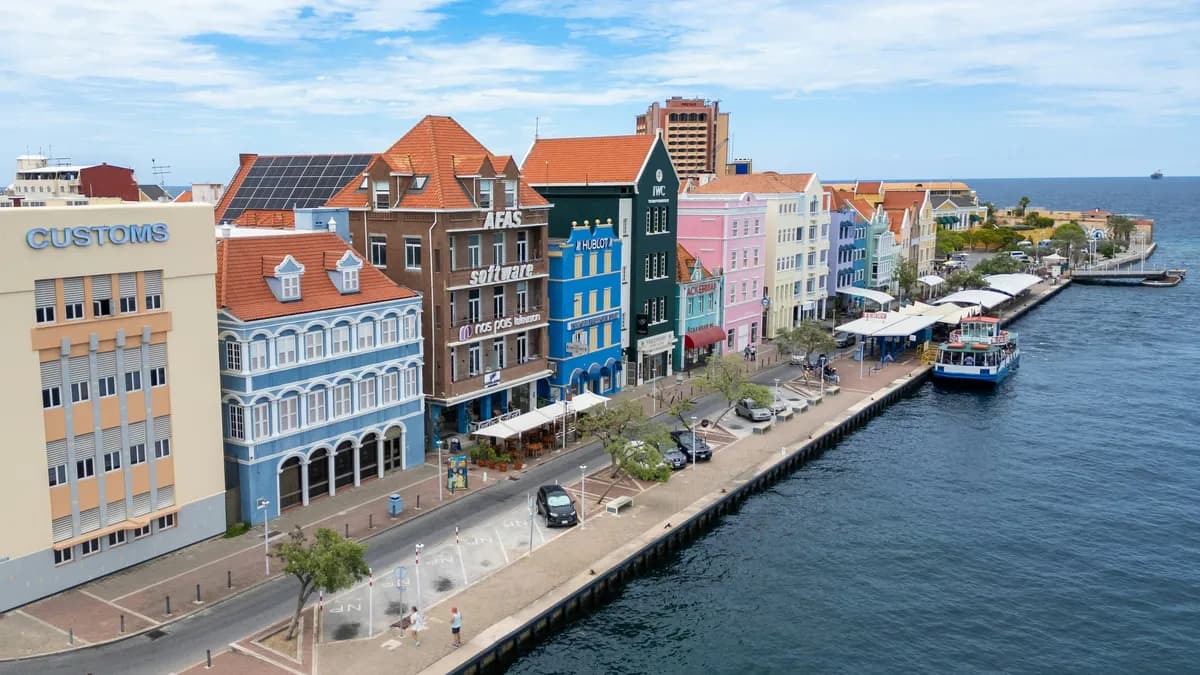
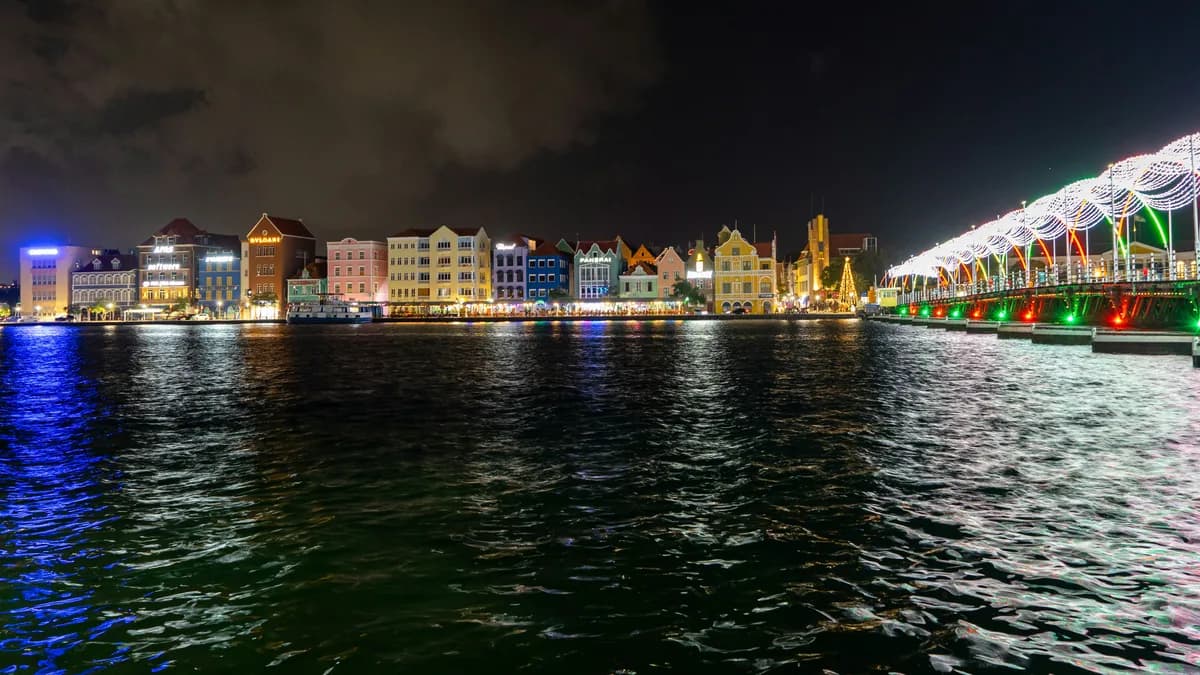
Willemstad pairs the pastel Handelskade waterfront, the swinging Queen Emma floating bridge and Pietermaai's nightlife in a walkable UNESCO old town. The island's culture, dining and shopping base.
Willemstad
Willemstad pairs the pastel Handelskade waterfront, the swinging Queen Emma floating bridge and Pietermaai's nightlife in a walkable UNESCO old town. The island's culture, dining and shopping base.
Willemstad is the capital of Curaçao and the cultural heart of the island, a port city whose historic centre is a UNESCO World Heritage Site. St Anna Bay slices the old town into two halves: Punda on the east side, the original walled quarter, and Otrobanda ("the other side") to the west. The two are joined by the Queen Emma Bridge, a floating pontoon walkway that swings open on the water to let ships pass, which means it occasionally drifts aside while you are mid-crossing.
The signature view is the Handelskade, the row of tall, narrow Dutch colonial merchant houses painted in sherbet shades of ochre, pink, blue and green, mirrored in the harbour water. Behind it, Punda's compact grid holds the floating market where Venezuelan traders sell fruit and fish from their boats, the Old Market food hall for a plate of local stew, and Fort Amsterdam, the 17th-century seat of government whose courtyard and Fortkerk are open to visitors even as much of it now houses working government offices. Across the bay, Otrobanda is grittier and more local, climbing the hillside in a maze of restored townhouses and street art.
What to do
- Walk the Handelskade waterfront and cross the swinging Queen Emma Bridge on foot.
- Browse the floating market in Punda and tour historic Fort Amsterdam.
- Eat and drink your way through Pietermaai, the restored district that holds most of the city's nightlife.
- Detour to Landhuis Chobolobo, the mansion where the bright-blue Curaçao liqueur is distilled.
By day the city is a place to wander, shop and soak up architecture; by night the action moves to Pietermaai, a once-derelict quarter now full of boutique hotels, rooftop bars and restaurants in candy-painted ruins. Papiamentu is the language of the street, but Dutch, English and Spanish are all widely spoken, so ordering and asking directions is easy.
Willemstad makes the natural base for a first visit. It is central, has the widest choice of hotels and restaurants on the island, and puts you within a short drive of both the resort beaches near Jan Thiel and the quiet leeward coves of Bandabou to the west. Use it for culture, food and convenience, then drive out to the sand.
Practical information
Photo gallery
Top attractions
Queen Emma Bridge
Mikvé Israel-Emanuel Synagogue
Kurá Hulanda Museum
Fort Amsterdam
Curaçao Sea Aquarium
Hato Caves
Curaçao Liqueur Distillery (Landhuis Chobolobo)
Dolphin Academy Curaçao
Where to eat
Where to stay
Pietermaai Boutique Hotel
★★★★Restored townhouses in the colorful Pietermaai District, a short walk from bars, restaurants and the Queen Emma Bridge. Rooms range from standards to penthouse suites with kitchenettes, plus outdoor pools. Suits couples wanting walkable nightlife.
Bario Hotel
A design-led property on De Rouvilleweg in Otrobanda, built around the on-site Bario Food Yard market and bar with Friday live music. Good for travelers wanting an urban, artsy base near the Queen Emma Bridge.
Kura Botanica Hotel
An adults-only boutique hotel inside the restored Kura Hulanda Village in Otrobanda, set among historic 18th-century buildings, botanical gardens and a pool with bar. A quiet base a few minutes' walk from the Queen Emma Bridge.
Willemstad questions
Why is Willemstad a UNESCO World Heritage Site?
+
Willemstad's historic centre was inscribed on the UNESCO World Heritage List for its remarkably preserved Dutch colonial town planning and architecture in a Caribbean setting. The protected area covers the Punda and Otrobanda quarters either side of St Anna Bay, including the candy-coloured Handelskade waterfront, Fort Amsterdam and the Pietermaai district.
Does the Queen Emma Bridge really move?
+
Yes. The Queen Emma Bridge is a floating pontoon bridge that pivots open on the water several times a day to let ships pass in and out of St Anna Bay. Crossing is free and on foot only. When the bridge swings aside, small free ferries shuttle pedestrians across the bay, so you can always get from Punda to Otrobanda.
What language do people speak in Willemstad?
+
The everyday local language is Papiamentu, a Creole, while Dutch is the official language. English and Spanish are also widely spoken, especially in hotels, shops and restaurants, so visitors rarely have any trouble being understood.
What currency is used and are US dollars accepted?
+
The local currency is the Caribbean guilder, written XCG or Cg (it replaced the former Netherlands Antillean guilder in 2025), often called the florin, fixed at about 1.79 to US$1. US dollars are accepted almost everywhere, and cards are widely taken, though change for dollar payments may come back in guilders.
Is Willemstad a good base for a first trip to Curaçao?
+
It is the most convenient base for a first visit. Willemstad has the widest choice of hotels, restaurants and nightlife on the island, the UNESCO old town is walkable, and it sits central on the road network, so both the resort beaches near Jan Thiel and the quiet coves to the west are an easy drive away.
Where is the floating market in Willemstad?
+
The floating market lines the Sha Caprileskade quay on the Punda side, just around the inner harbour from the Handelskade. Venezuelan traders sell fruit, vegetables and fish from boats moored along the waterfront. It is busiest in the morning, and is a short walk from the Queen Emma Bridge.
Keep reading
Travel Guides
Helpful guides for planning your trip to Willemstad
 Planning
Getting Around Curaçao
How to get around Curaçao without Uber: when a rental car beats taxis for the southwest beaches, fixed-fare taxi rules, Konvoi buses, and airport drive times.
 Planning
Curaçao for First-Timers
Plan your first Curaçao trip: calm leeward beaches versus the wild north coast, why a rental car is essential, the guilder, and a week-long shortlist.
 Experiences
Best Things to Do in Curaçao
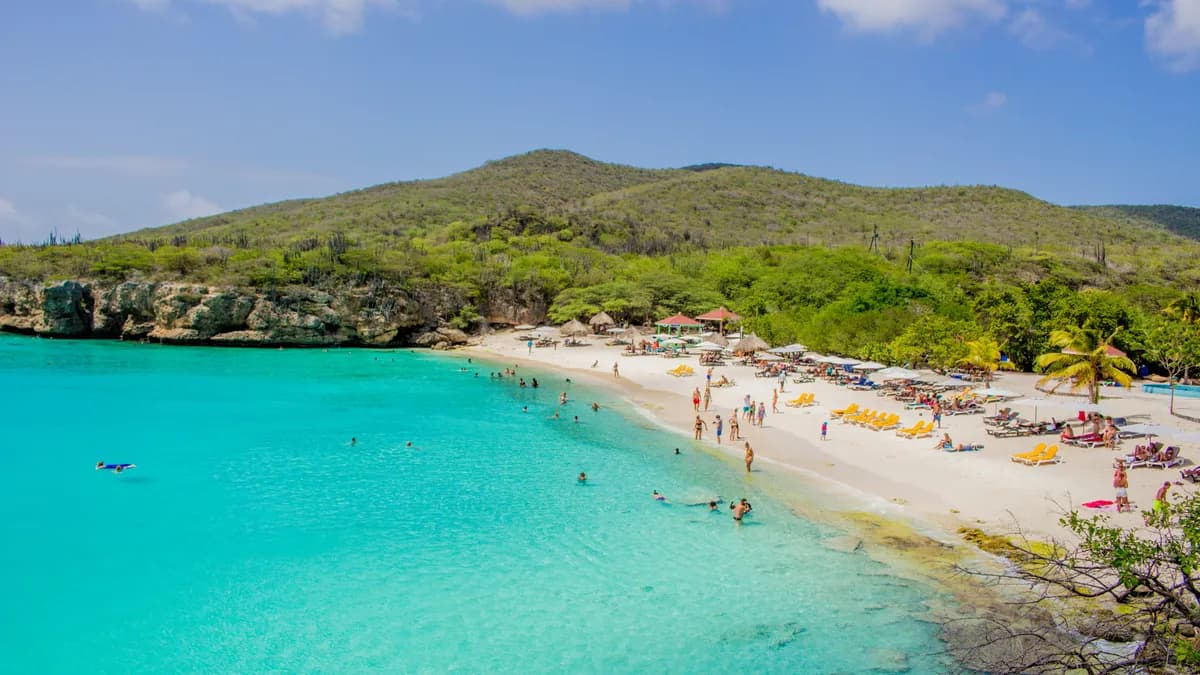
The best things to do in Curacao: shore-dive straight off the beach, walk UNESCO Willemstad, sail to Klein Curacao, and spot wild flamingos at dusk.
 Planning
Best Time to Visit Curaçao
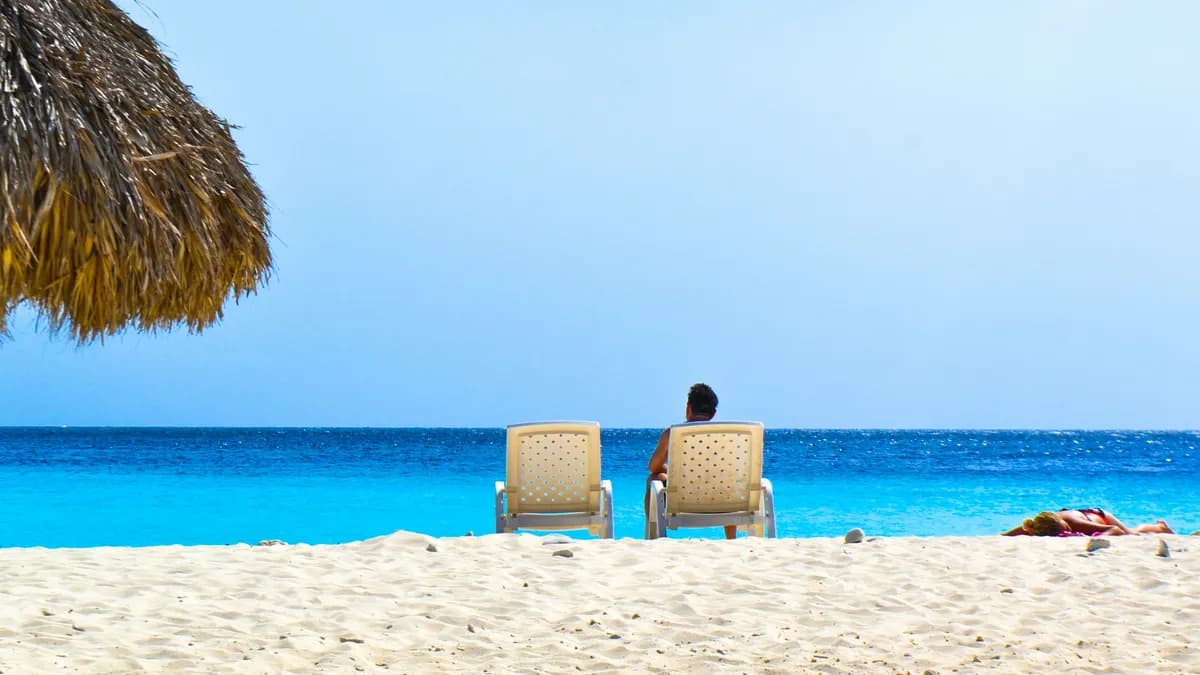
When to visit Curacao: May to June for value, September to November for the cheapest fares, December to April for peak sun and Carnival. Warm sea every month.
 Planning
Curaçao with Kids: Family Guide
Plan a family trip to Curacao: calm leeward beaches for small swimmers, the Sea Aquarium and dolphin swims, safe tap water, short drives, and rainy-day caves.
 Areas Islands
Klein Curaçao Day Trip Guide
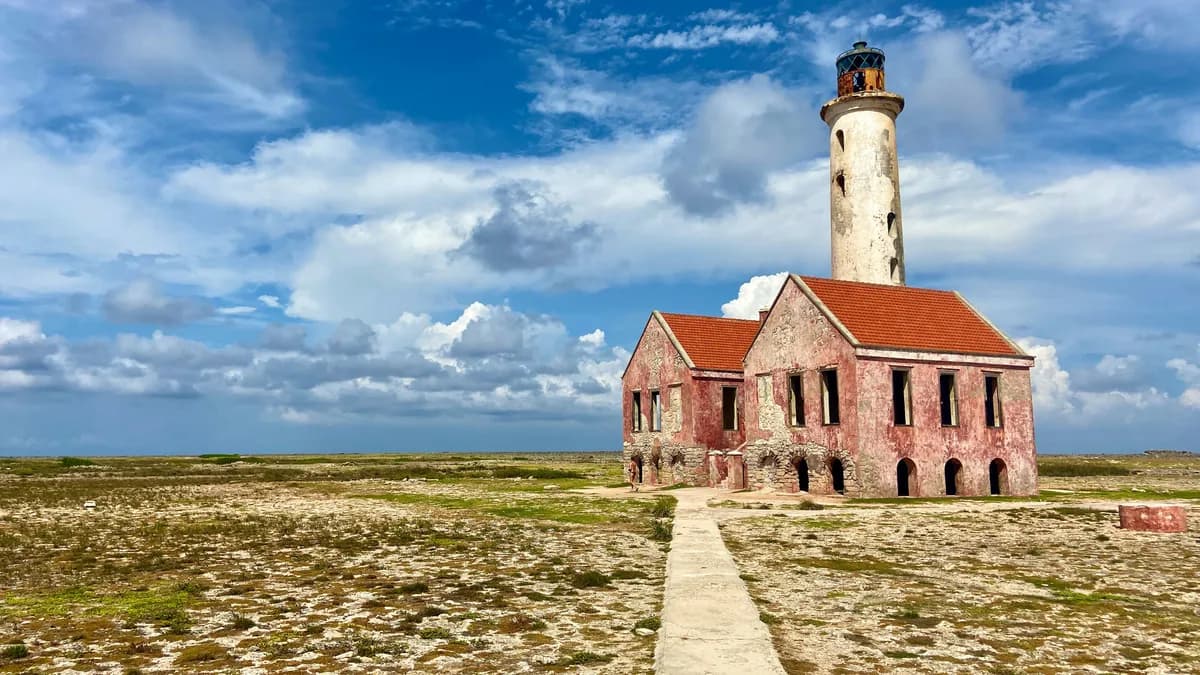
Plan a Klein Curacao day trip: which boats from Spanish Water, why the morning crossing is bumpy, where to see green sea turtles, and why there is almost no shade.
Related reading
From the blog
Blog posts about Willemstad
 Travel Tips
Best Time to Visit Curaçao: No Direct Hurricane Since 1877
Curaçao sits at 12°N, outside the hurricane belt: no direct hit since 1877. Month by month on rain, prices, and why October is the underrated pick.
What Is Krioyo? Curaçao's Creole Food and Where to Eat It
Krioyo is Papiamentu for creole. The dishes to order (keshi yena, kabritu stoba, funchi, pastechi) and where locals eat them, from Plasa Bieu to Jaanchie's.
Willemstad Walking Guide: Punda, Otrobanda & More
The Handelskade photo is one street. Willemstad is four historic quarters, a floating bridge, a 1732 synagogue, and a mural district built on a merchant boom, all walkable in a day if you know the order.
Keep exploring
Nearby Destinations
Explore more places near Willemstad