Kurá Hulanda Museum
Curaçao's unflinching museum of the slave trade and African heritage
Kurá Hulanda Museum
The Kurá Hulanda Museum is the most powerful and sobering attraction in Willemstad. Set in a beautifully restored cluster of 18th- and 19th-century buildings in Otrobanda, on ground once used in the slave trade, it tells the story of the transatlantic slave trade and the African origins of Curaçao's people with unflinching honesty.
The collection is anthropological in scope. Galleries trace the cultures of West Africa, the brutal Middle Passage across the Atlantic, and the system of slavery that shaped the Caribbean, alongside exhibits on African art, Mesopotamian and pre-Columbian antiquities, and the wider sweep of human origins. A reconstructed section of a slave-ship hold and the iron restraints on display make the human cost impossible to look away from.
Plan for a thoughtful visit
This is a museum to move through slowly. The subject matter is heavy, and the curators have chosen confrontation over comfort, which gives the place real moral weight. It offers essential context for understanding Curaçao's identity, its Papiamentu language, and the African heritage woven through the island's food, music, and faith.
- The museum sits in the Otrobanda district, an easy walk over the Queen Emma Bridge from Punda.
- Allow at least a couple of hours; the displays reward unhurried attention.
Some content is graphic and best suited to older children and adults. Check current opening days before you go, as hours have varied, and pair it with a stroll through the restored lanes and squares of the surrounding Otrobanda quarter.
Frequently asked questions
What is the Kurá Hulanda Museum about?
+
It is an anthropological museum in Otrobanda that confronts the transatlantic slave trade and Curaçao's African heritage, set on ground once used in the slave trade. Exhibits also cover African art and pre-Columbian and Mesopotamian antiquities.
Is the Kurá Hulanda Museum suitable for children?
+
Some content, including a reconstructed slave-ship hold and iron restraints, is graphic and emotionally heavy. It is best suited to older children and adults, and benefits from an unhurried, thoughtful visit.
How long should I spend at the museum?
+
Allow at least two hours. The displays are extensive and the subject matter rewards slow, reflective attention rather than a quick walk-through. Confirm the current opening days before you go, as hours have varied.
Keep reading
Travel Guides
Helpful guides for planning your trip to Willemstad
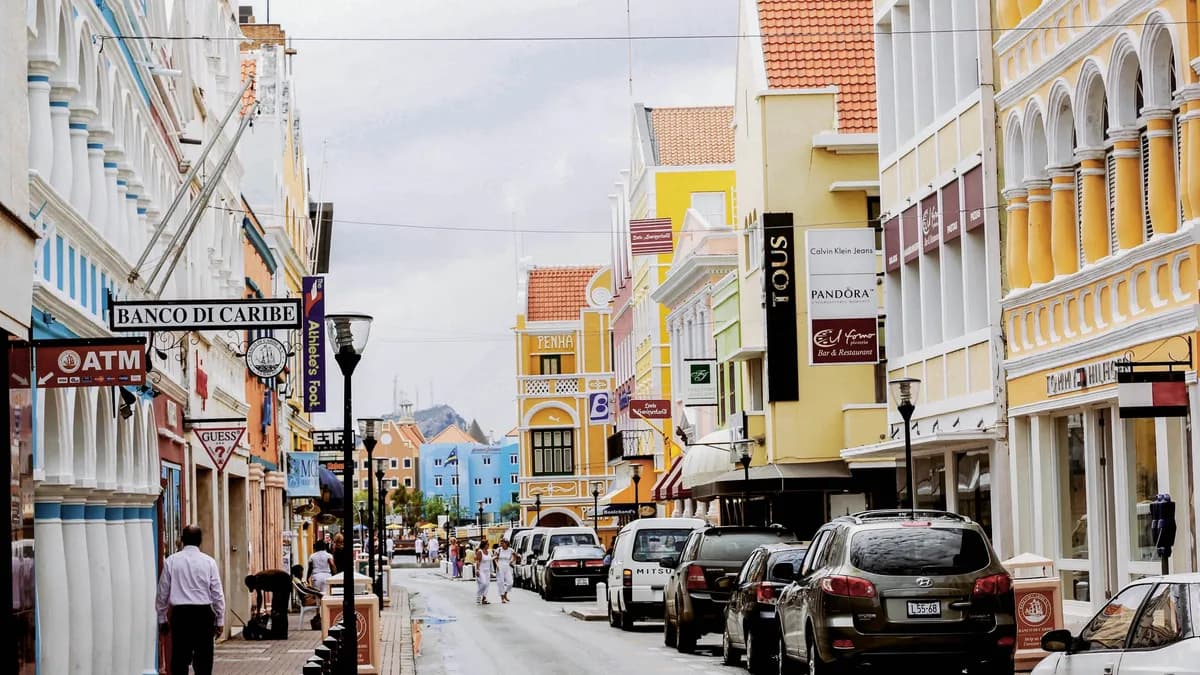 Areas Islands
Willemstad Travel Guide
Walk Curacao's capital end to end: the UNESCO old town, candy-colored Handelskade, swinging Queen Emma bridge, keshi yena at the Old Market and Pietermaai at night.
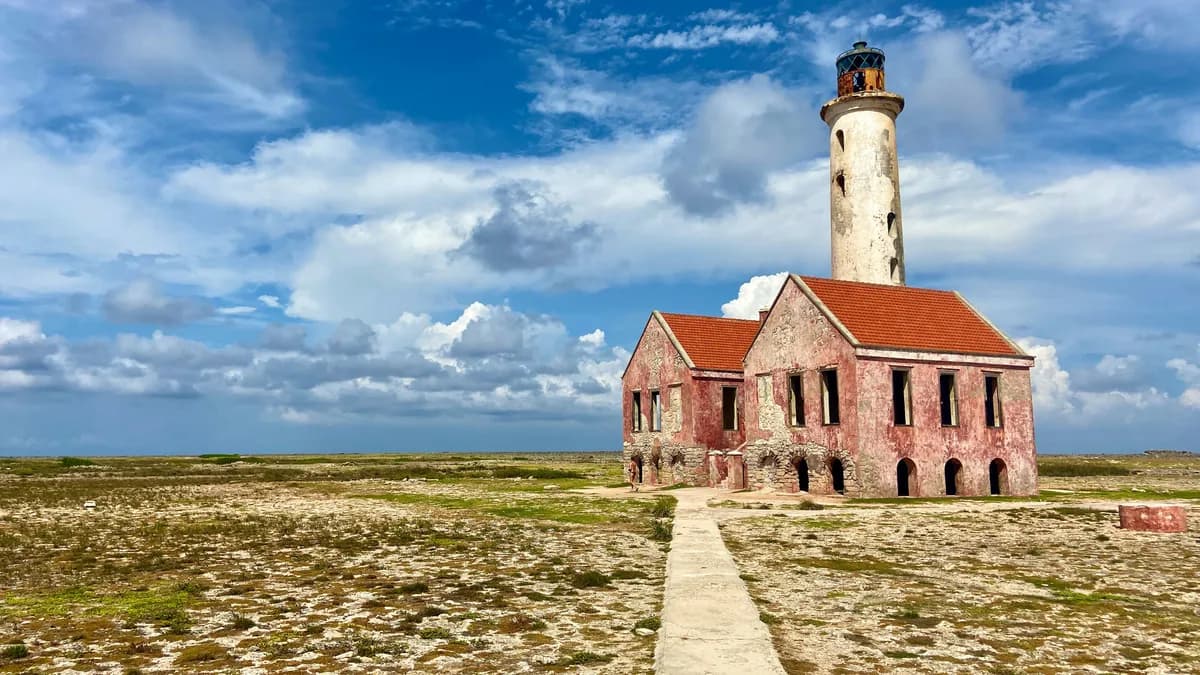 Areas Islands
Klein Curaçao Day Trip Guide
Plan a Klein Curacao day trip: which boats from Spanish Water, why the morning crossing is bumpy, where to see green sea turtles, and why there is almost no shade.
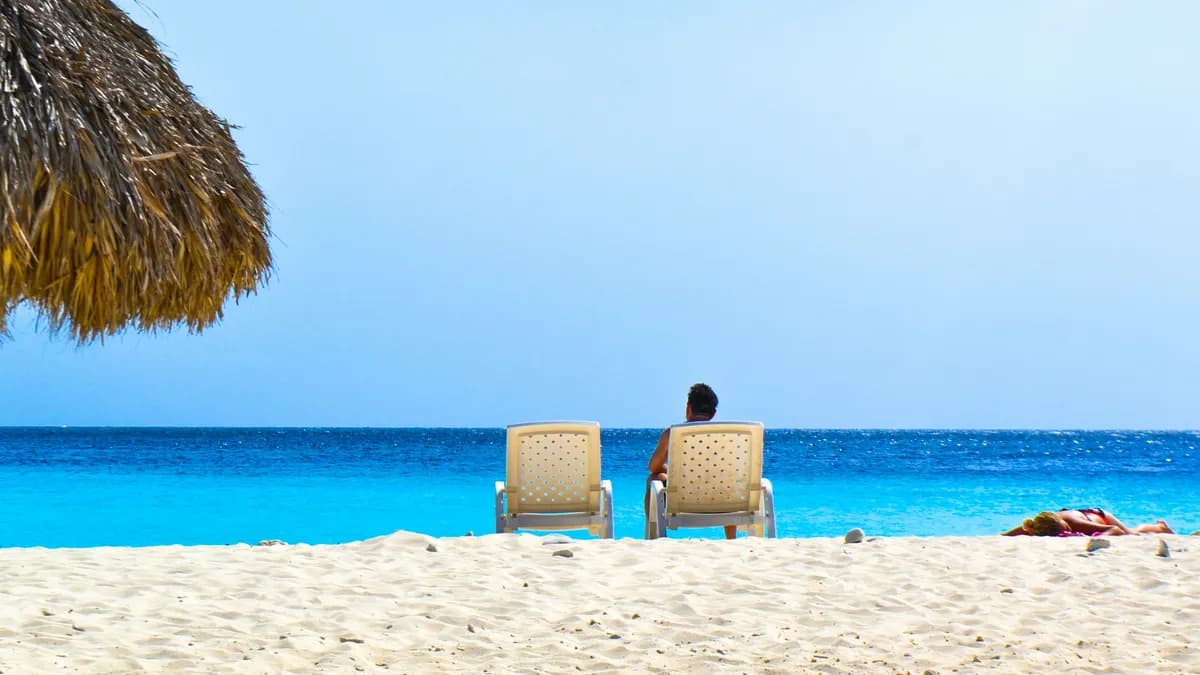 Planning
Curaçao with Kids: Family Guide
Plan a family trip to Curacao: calm leeward beaches for small swimmers, the Sea Aquarium and dolphin swims, safe tap water, short drives, and rainy-day caves.
More to Explore in Willemstad
Discover beaches, attractions, activities, and more in the same area
Make the most of Kurá Hulanda Museum
Pair this stop with our travel guides and insider tips to build the rest of your trip around it.