Is Curaçao Safe? Advisories, Crime Figures and Practical Tips
What the travel advisories say about Curaçao, the 2025 crime figures, rental car break-ins, emergency numbers, sea and health risks, and local laws.
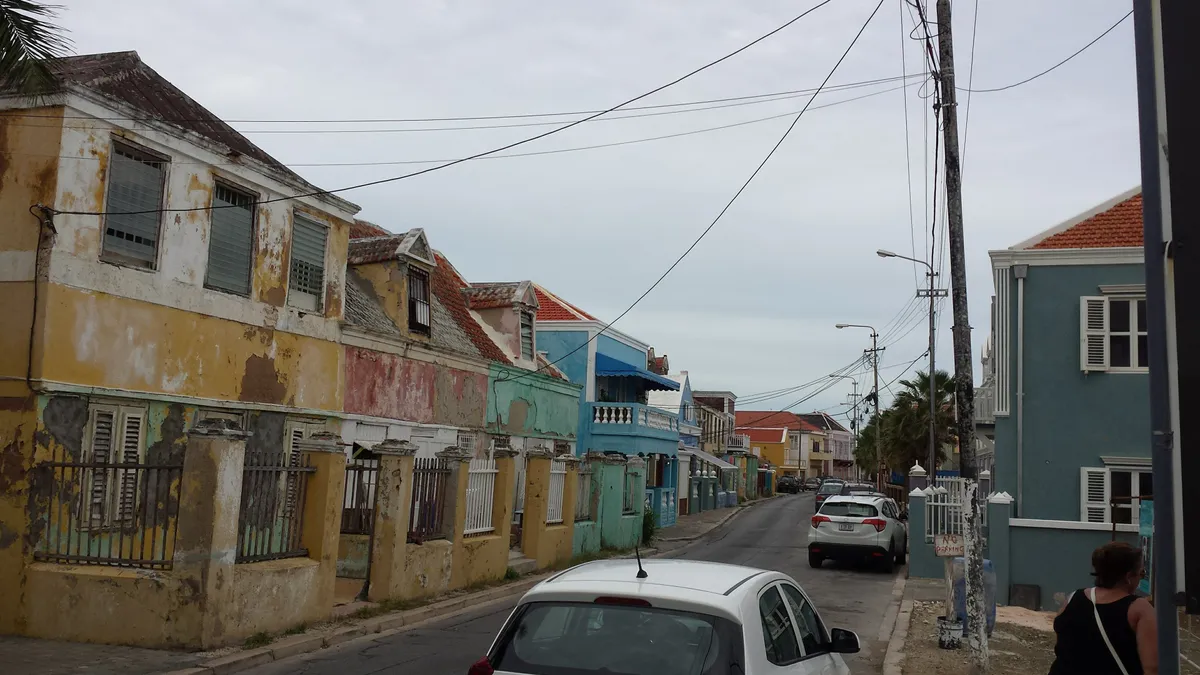
Yes, Curaçao is a safe destination for most visitors. The United States rates it Level 1, "Exercise Normal Precautions", Canada advises normal security precautions and the Netherlands marks it green. The problem tourists actually meet is theft, above all break-ins to rental cars parked at beaches and viewpoints, not violence. This guide sets out what the official advisories say, what the police figures show, and the practical habits that keep a holiday uneventful. Everything here was checked on 15 November 2026.
What Do the Official Travel Advisories Say?
| Government | Advice for Curaçao |
|---|---|
| United States | Level 1, "Exercise Normal Precautions", the lowest of four levels (issued 9 September 2026) |
| Canada | "Take normal security precautions" (page updated 3 November 2026) |
| Netherlands | Green, the lowest colour code |
| United Kingdom | No warning against travel; notes petty theft and street crime, and says the main tourist areas are generally safe |
The wording is consistent across all four. Petty crime such as pickpocketing, bag snatching and theft from vehicles, hotel rooms and rental homes is common, and Canada notes it rises during Carnival, from January to March. Violent crime exists, but the UK links it mainly to the drug trade, and Canada describes the number of incidents as low. Both advise staying away from isolated areas, including beaches, after dark.
How Much Crime Is There?
Curaçao has about 160,000 residents, and its police publish annual figures. For 2025, as reported from the force's press conference in January 2026:
- 9 cases of murder or manslaughter, all involving firearms.
- 118 armed robberies, mostly in residential neighbourhoods and at shops, in the evening and at night.
- 157 residential burglaries, a clear fall from 2024, and 87 burglaries at businesses.
- 205 reports of car theft, many of them thefts of parts.
Those numbers describe island life as a whole, and most of it happens far from where visitors spend their time. The figure closest to the visitor experience comes from Politur, the tourist police: its 2025 annual report recorded 212 incidents involving theft, vandalism and traffic matters, in a year when the island received about 788,000 stayover visitors.
What Is the Real Risk for Tourists?
A smashed car window. Rental cars are easy to recognise, and thieves know that people leave bags in them while they swim. It happens most at quiet beach car parks and roadside viewpoints, and occasionally at the big car parks of popular beaches too.
The habits that prevent it are simple:
- Leave nothing in the car. Not in the boot either, if you can avoid it. Take only what you need for the beach.
- Do not leave valuables unattended on the sand while everyone is in the water.
- Use the hotel safe for passports and spare cards. The UK advises carrying a copy of your passport photo page.
- Stay out of isolated places after dark, including empty beaches.
- Use registered taxis. Their number plates begin with "TX". Most have no meter, so agree the fare before you set off.
Our west coast beaches guide notes which beaches have staffed entrances and facilities, which are usually the easier places to park.
Who Do You Call if Something Happens?
| Service | Number |
|---|---|
| Police, urgent | 911 |
| Ambulance | 912 |
| Coast guard | 913 |
| Police, non-urgent | 917 |
Politur, the tourist police, has offices at Mambo Beach Boulevard and at the World Trade Center in Piscadera Bay. According to the tourist board, officers usually speak English, Dutch or Spanish. If something is stolen, report it there or at a police station and ask for a written report, which your insurer will want.
Does the Situation in Venezuela Affect Curaçao?
Curaçao lies about 65 km off the Venezuelan coast, so the question is fair. During the crisis of early January 2026, US aviation authorities briefly barred American airlines from a corridor of Caribbean airspace that included Curaçao. The outright ban lasted about a day and was replaced by advisory notices.
Since then the official message has been calm. The Dutch foreign minister told parliament in January 2026 that the government saw no immediate military threat to Curaçao, and in May 2026 his successor said Venezuela posed no direct security threat to the islands. The Dutch travel advice for Curaçao carries no Venezuela-related warning. In practical terms, the lesson of January is about flights, not personal safety: a disruption can happen at short notice, which is one more reason to travel with insurance.
Is It Safe to Drive?
Most visitors rent a car, and driving is manageable, on the right-hand side of the road. Take extra care at night. Road deaths rose from 10 in 2024 to 14 in 2025, most of them in the evening or at night, and speeding was linked to four of the fatal crashes.
Two rules catch visitors out: turning right on a red light is not allowed, and you must carry valid identification while driving. Licences from the US, Canada, the UK and the EU are accepted (Canada recommends carrying an international permit as well), and rental companies often set their own minimum age. See getting around Curaçao for car hire and buses.
Is the Sea Safe?
The south and west coasts, where the beaches are, are sheltered and usually calm. The north and east coasts are open ocean, with heavy surf and no swimming beaches; go to Shete Boka to watch the waves, not to get in.
Conditions do change. The meteorological service issued a yellow alert for rough seas on the north and east coasts in June 2026, and the coast guard warned of strong winds and rough water around the islands in May. If a warning is in force, stay close to shore. Other points:
- Swim zones: floating lines mark the swimming areas at popular beaches. Boats and jet skis may not cross them, so stay inside.
- Jellyfish: Portuguese man-of-war occasionally drift in. The health ministry issued a warning in October 2024 after 13 people were stung. If you see blue, balloon-like floats on the water or sand, stay out.
- Boat trips: the crossing to Klein Curaçao can be rough. Our day trip guide explains what to expect.
- Souvenirs: taking coral or conch shells off the island is prohibited.
What About Hurricanes?
The risk is low but not zero. Curaçao sits on the southern edge of the Atlantic hurricane region. Its meteorological service counts roughly one tropical cyclone passing within 100 nautical miles every 11 years, and no hurricane or tropical storm has made a direct landfall on record. Season runs from 1 June to 30 November. Our best time to visit guide has the detail by month.
Are There Health Risks?
- Water: tap water is safe to drink. It is produced from seawater.
- Mosquitoes: dengue occurs sporadically, and chikungunya and Zika are present, according to Canadian and Dutch health advice. Use repellent, especially in the rainy months.
- Vaccines: none are required for visitors from the US, Canada or Europe. A yellow fever certificate is required only if you arrive from, or have made a long airport transit in, a country with yellow fever risk.
- Medical care: the Curaçao Medical Center, the island's main hospital, opened in Willemstad in 2019. Care is generally good, but Canada warns that facilities may ask for payment up front, so carry insurance that covers hospital treatment and evacuation.
Is Curaçao Safe for Solo Women, LGBTQ+ Travellers and Families?
Solo women travel here without difficulty, though Canada's advice notes that women alone may experience verbal harassment. The usual precautions apply: registered taxis at night, and no isolated beaches after dark.
LGBTQ+ travellers will find one of the more welcoming islands in the Caribbean. The Dutch government describes laws and attitudes as comparable to those in the European Netherlands, and in July 2024 the Dutch Supreme Court upheld the right of same-sex couples to marry in Curaçao.
Families should know one piece of paperwork: travellers under 18 may be asked for a birth certificate, and a child travelling without both parents should carry a signed consent form with copies of the parents' identification. For beaches and activities, see Curaçao with kids.
Which Laws Surprise Visitors?
Curaçao is part of the Kingdom of the Netherlands, but it is not Amsterdam. Cannabis and other soft drugs are illegal, and penalties for possession are heavy. The island is a known trafficking route, so never carry a package for someone else.
Every visitor, children included, must complete the Digital Immigration Card online before travel. It can be filled in up to seven days ahead and the official card is free; unofficial websites charge for the same form.
Frequently Asked Questions
Is Curaçao safe for American tourists?
Yes. The US State Department rates Curaçao at Level 1, "Exercise Normal Precautions", its lowest advisory level.
What is the main crime risk in Curaçao?
Theft, especially from rental cars parked at beaches and viewpoints. Leave nothing in the car and do not leave valuables unattended on the beach.
Is it safe to walk around Willemstad at night?
The central districts where visitors eat and stay are busy in the evening and generally safe. Avoid quiet backstreets and isolated areas late at night, and take a registered taxi if in doubt.
Is Curaçao safe from hurricanes?
Largely. It lies on the southern edge of the hurricane region and has no direct landfall on record, though storms occasionally pass nearby.
Can you drink the tap water in Curaçao?
Yes. It is produced from seawater and safe to drink.
Is Curaçao affected by the situation in Venezuela?
Flights were briefly disrupted in early January 2026. Dutch ministers have since said there is no direct security threat to the island, and no government advises against travel.
What is the emergency number in Curaçao?
Dial 911 for police and 912 for an ambulance.
About the author
Alex Borshch
Keep reading
Related articles
Get On The Newsletter Waitlist
Join the launch list for Curaçao travel updates: new guides, corrected facts and event dates as they are confirmed. No mail app required.