Snorkeling in Curaçao
Snorkeling in Curaçao means wild green turtles at Playa Grandi and Lagun, the Porto Mari double reef, and the shallow Tugboat wreck, warm water all year.
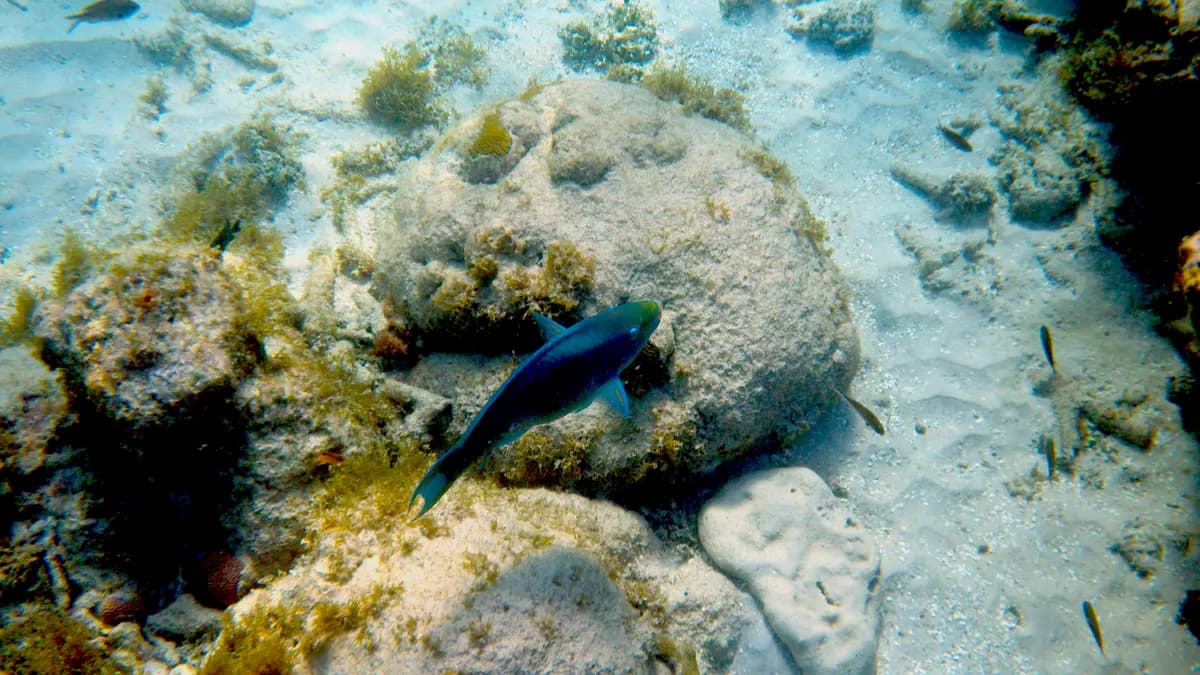
Curaçao is one of the easiest places in the Caribbean to put your face in the water and instantly see something worth the trip. The island sits on the southern edge of the sea, well below the hurricane belt, so the leeward coast stays calm, clear, and warm in every month of the year. You do not need a boat or a tour to start. At most of the best spots you walk off the sand, kick out a few meters, and you are over living reef, parrotfish, and, at two famous coves, wild green sea turtles grazing in the shallows.
This guide covers exactly where to go, in plain order of what most first-timers want: turtles, then a true double reef, then a shallow shipwreck you can float right over. It also covers the gear that actually matters, how to stay safe in the current, and the reef etiquette that keeps these sites alive.
Snorkel with wild turtles: Playa Grandi and Playa Lagun
If you only snorkel once in Curaçao, do it with the turtles. Two small fishing coves on the leeward coast draw green sea turtles in reliably and close to shore, which is why they top almost every visitor's list.
Playa Grandi (Piskado)
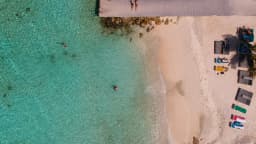
Playa Grandi, known locally as Piskado, is a working fishing cove near Westpunt at the island's western tip. Fishermen clean their catch at the small pier, and turtles have learned to gather here to feed. The water is shallow and usually calm, so you can float in waist-to-chest-deep water and watch turtles surface for air a few feet away. Come early, before mid-morning, for the calmest water, the best light, and fewer people. Do not touch or chase the turtles, and never feed them; let them come and go on their own terms. The cove is small and the entry is a rocky pier area, so water shoes help.
Playa Lagun
Playa Lagun is a sheltered cove framed by tall cliffs a little south of Westpunt, in the Bandabou region. It is smaller and quieter than Playa Grandi, and the cliff walls keep the water glassy. Turtles feed on the seagrass here, and the rock edges on either side of the bay hold reef fish, making it a two-in-one stop. Because the bay is narrow, watch for the small fishing and dive boats that come and go from the beach.
For more on turtle encounters, including guided options, see our overview of snorkeling with turtles.
The Porto Mari double reef
Playa Porto Mari, near Sint Willibrordus, is the spot serious snorkelers talk about. It has a genuine double reef: a first reef close to shore, a sandy channel, and then a second, deeper reef beyond it. From the beach you can follow the first reef out, and stronger swimmers can cross the channel to the second. The variety of coral and fish across both ridges is excellent, and the beach itself is set up for a full day with loungers, shade, and a beach bar.
Entry is easy off the sand. Stay aware of where the channel deepens, and turn back well before you feel tired, because the swim out can be longer than it looks. Porto Mari is one of the best all-round snorkel-and-relax beaches on the island.
More reef beaches worth a mask
- Cas Abao is a postcard-perfect beach with a reef along the rocky edges and good facilities; a relaxed pick for families.
- Playa Kenepa Grandi and its smaller neighbor Playa Kenepa Chiki have bright blue water and reef on the flanks of the bays.
- Playa Jeremi and Daaibooi are quieter, less developed coves with clear water and reef along the sides.
- Playa Forti sits at Westpunt and pairs well with a turtle stop at Playa Grandi nearby.
Float over the Tugboat
The Tugboat near Caracas Bay is the island's most beginner-friendly wreck. It is a small tugboat sitting upright in shallow water, encrusted in coral and surrounded by fish, and it sits shallow enough that snorkelers can float right over it without diving. The reef wall beside it adds color and life. Boats and divers use this area, so stay near the surface, keep clear of dive groups, and watch for the small craft that come into Caracas Bay. Nearby Director Bay is another calm, scenic cove in the same protected corner of the coast.
Snorkelers who want to go a step further often try the same sites that scuba divers love. Read our guide to shore diving in Curaçao to see how the two overlap, since many shore-dive entries are equally good with just a mask and fins.
Closer to Willemstad: Jan Thiel and the Sea Aquarium reef
If you are based near the capital, you do not have to drive an hour to find reef. Jan Thiel Beach in the Jan Thiel area has clear water and reef on its edges, with restaurants and loungers on tap. Mambo Beach sits next to the Curaçao Sea Aquarium, where a protected reef snorkel trail runs along the shore. The marina and bays around Spanish Water are also the launch point for boat trips to the reefs and to uninhabited Klein Curaçao, where the snorkeling off the white-sand beach is superb on a calm day.
Gear: what to bring and what to skip
You can rent masks, snorkels, and fins at many beaches and dive shops, but quality varies. If you snorkel often, bring your own:
- A mask that seals. The single biggest comfort factor. Test the seal by pressing it to your dry face and inhaling gently; it should hold without the strap.
- A dry-top or simple J-snorkel. Either works in the calm leeward water.
- Fins or sturdy water shoes. Fins help in any current; water shoes protect your feet at rocky entries like Playa Grandi and Playa Lagun.
- A rash guard or swim shirt. The tropical sun is strong, and a shirt protects your back far better than sunscreen while you float face-down for an hour.
- Reef-safe, mineral sunscreen. Apply it well before you enter so it absorbs, and lean on the rash guard for the rest.
Defogging tip: a tiny smear of baby shampoo or commercial defog rubbed inside the lens and rinsed lightly stops the mask from fogging. Tap water on the island is safe to drink, so refilling a bottle and staying hydrated between swims is easy.
Safety in the water
Curaçao's leeward coast is calm by Caribbean standards, but the open sea still demands respect.
- Watch the wind and the coast. The south and west beaches are sheltered. The wild north (windward) coast is rough with strong surf and is not for snorkeling.
- Never snorkel alone. Use the buddy system and keep each other in sight.
- Mind boat traffic. At the Tugboat, Playa Lagun, and Mambo Beach, stay near shore and out of boat channels. A bright float or a brightly colored rash guard makes you more visible.
- Respect the current and your limits. At Porto Mari's second reef and any deeper edge, turn back while you still have energy for the swim home, and account for any current pushing you out.
- Look, do not touch. Fire coral stings, and some reef life can bite if cornered. Keep your hands and fins off the reef.
- Check conditions locally. Lifeguards are not present at most beaches, so ask staff at the beach bar or dive shop about the day's water before heading out.
Reef etiquette: leave it better than you found it
Curaçao's southern reef is protected within the Curaçao Marine Park, and keeping it healthy is on every visitor. A few simple habits make all the difference:
- Do not stand on or touch coral. Even a light brush kills polyps that took years to grow. Float horizontally and keep your fins up.
- Keep your distance from turtles and fish. Do not chase, ride, feed, or surround them. Let wildlife set the pace.
- Take only photos. Leave shells, coral, and sand where they are.
- Use reef-safe sunscreen and cover up to reduce the chemicals entering the water.
- Pack out every scrap of trash, including anything you find that someone else left.
For more places to combine snorkeling with hiking and wildlife, the wild beaches and coastline inside Christoffel National Park and Shete Boka National Park show the rugged side of the island, while the mangroves of Rif Mangrove Park are a calm-water contrast on the doorstep of Willemstad.
A simple snorkeling day plan
To string the best spots together, start early in the west: turtles at Playa Grandi, then the cliffs of Playa Lagun, then a long midday session on the double reef at Porto Mari. Save the Tugboat near Caracas Bay for a calm afternoon. Rent a car for this loop, since the western beaches are spread out and there is no ride-share on the island; taxis run on fixed fares and the Konvoi buses are an option for the main routes. Bring cash in US dollars or the local florin for beach entry fees and the beach bar.
Frequently Asked Questions
Where can I snorkel with sea turtles in Curaçao?
The two most reliable spots are Playa Grandi (Piskado) and Playa Lagun, both calm, shallow coves on the leeward coast near Westpunt. Wild green sea turtles feed close to shore there, so you can often see them straight off the beach. Come early for the calmest water, and never touch or feed them.
Do I need a boat or a tour to snorkel in Curaçao?
No. Most of the best sites, including Playa Grandi, Playa Lagun, Playa Porto Mari, Cas Abao, and the Tugboat, are reached by walking off the beach. A car makes it easy to visit several in one day. Boat trips are mainly for offshore reefs and the day trip to Klein Curaçao.
What is the Porto Mari double reef?
Playa Porto Mari has two parallel reefs offshore: a first reef close to the beach, a sandy channel, and a deeper second reef beyond it. Beginners enjoy the first reef from shore, while confident swimmers cross the channel to the second. Turn back before you tire, since the swim is longer than it appears.
Is snorkeling in Curaçao safe for beginners?
Yes, on the sheltered leeward (south and west) coast, where the water is calm and clear year-round. Use the buddy system, stay near shore at sites with boat traffic, and avoid the rough windward (north) coast. Most beaches have no lifeguards, so ask local staff about conditions before you go in.
What gear do I need for snorkeling in Curaçao?
A well-sealing mask, a snorkel, and fins or sturdy water shoes for rocky entries. Add a rash guard and reef-safe mineral sunscreen for the strong sun. Rentals are available at many beaches and dive shops, but bringing your own mask greatly improves comfort and fit.
When is the best time of year to snorkel in Curaçao?
Curaçao sits south of the hurricane belt, so it is warm, dry, and sunny all year and snorkeling is good in every month. For the calmest, clearest water at any beach, go early in the day before the afternoon breeze picks up.
Westpunt
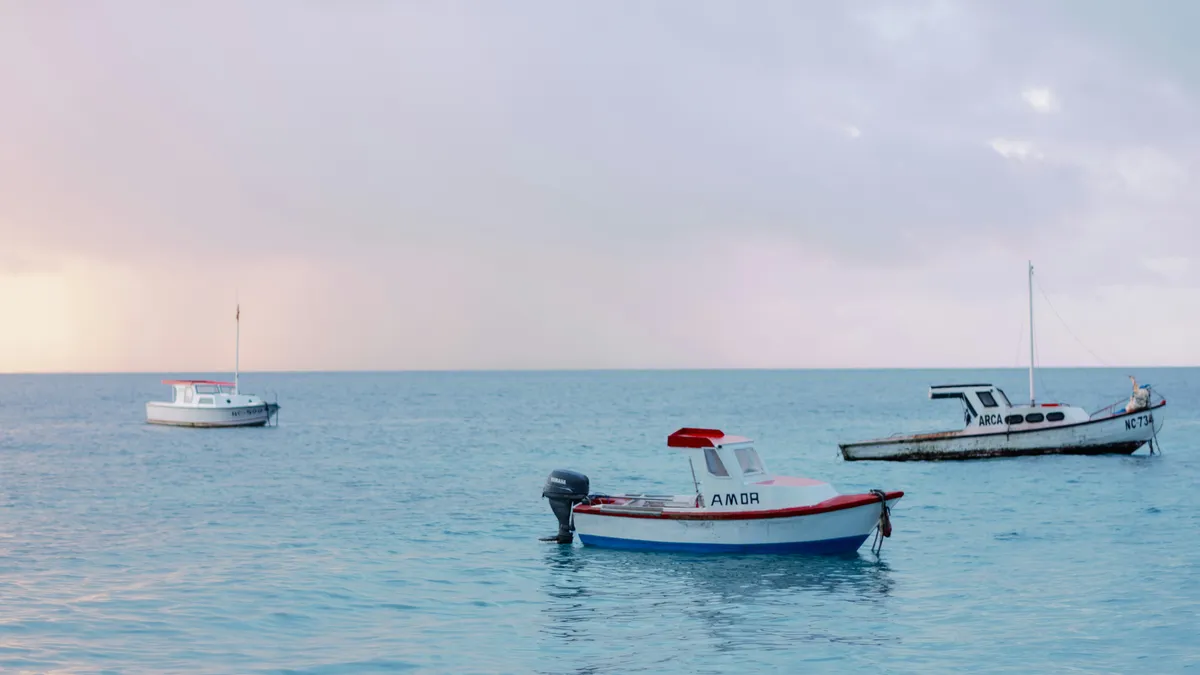
This guide covers Westpunt. Explore more about this destination.
View DestinationAbout the Author
Alex Borshch
Founder and editor of the Isla365 network. Spent six months living in the Dominican Republic over the 2013-14 winter, and has since wintered in Thailand, Vietnam and Turkey. Writes and edits the guides across the network.