The Best Beaches in Curaçao
Curaçao's best beaches line the calm leeward coast, from free Kenepa Grandi to Cas Abao's fee-per-car facilities and the double reef at Porto Mari.
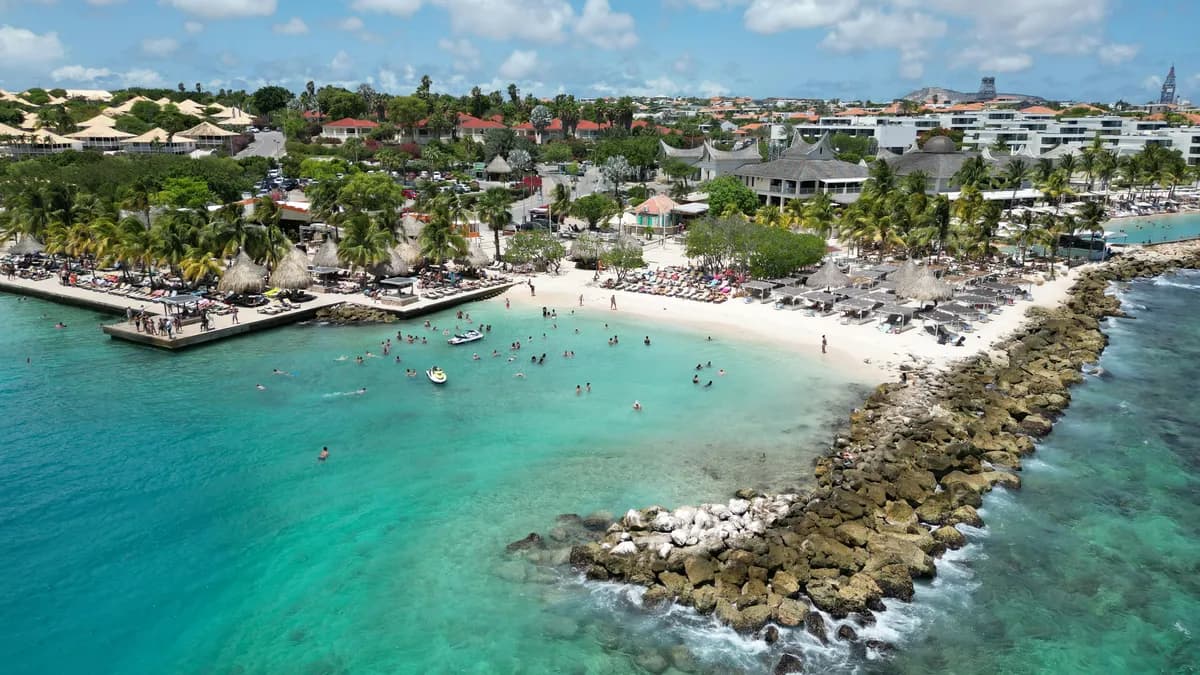
Curaçao's best beaches sit along the calm, clear leeward (south and west) coast, sheltered coves where the Caribbean turns a hard-to-believe shade of blue and the water is usually flat enough to wade straight in. The wild north (windward) coast is dramatic but rough, so for swimming and snorkeling you point yourself south and west. This is a ranked, practical run-down of the coves worth driving for, with real fees, facilities and the kind of detail that decides your day.
A few ground rules first. Curaçao sits south of the hurricane belt, so it is warm, sunny and dry almost year-round and direct hurricanes are rare. You drive on the right, a rental car is the easiest way to reach the far western beaches (a prearranged taxi or an organized tour also works, if you agree the price and the return pickup in advance), and there is no Uber here. Tap water is safe (it is desalinated), and while prices are quoted in the Caribbean guilder (XCG, symbol Cg, still nicknamed the "florin"), fixed at 1.79 Cg to US$1, US dollars are widely accepted, though not guaranteed at every counter, so check what a beach or bar takes and keep guilders or a card as a backup; the Centrale Bank van Curaçao en Sint Maarten publishes the official currency details. Bring small bills for the beaches that charge an entrance fee, since not all of them take cards.
The leeward beaches, ranked
1. Playa Kenepa Grandi (Grote Knip)
The postcard. Playa Kenepa Grandi, "Grote Knip" in Dutch, is the wide turquoise bay that ends up on every Curaçao brochure, tucked into the Bandabou region in the island's far west. White sand, vivid blue water and a low cliff on the right that locals and braver visitors leap from. There is no entrance fee, free parking up top, restrooms and a snack truck for cold drinks and pastechi. It gets busy on weekends and cruise days, so arrive before mid-morning for space and shade. Best for: first-timers who want the iconic swim.
2. Playa Kenepa Chiki (Kleine Knip)
The smaller sibling, a short walk or hop down the coast. Playa Kenepa Chiki is a compact cove backed by sea-grape trees that throw real shade, which is gold on a hot day. The reef close to the rocks on either side makes for easy snorkeling straight off the sand. No fee, limited parking, basic or no facilities, so pack water and snacks. Best for: snorkelers and couples who want the same blue water with fewer crowds than Grandi.
3. Cas Abao
The polished all-rounder. Cas Abao is a privately managed beach near Sint Willibrordus, which is exactly why it works so well for a full day: there is an entrance fee per car (bring cash), but in return you get raked sand, palapa shade, sun-lounger and palapa rentals, showers, restrooms, a beach bar and restaurant, a dive shop and a massage hut. The reef drops off a short swim out and is a reliable spot for shore diving and snorkeling. Best for: families and anyone who wants comfort and facilities for the whole day.
4. Playa Porto Mari
The double-reef snorkel star. Playa Porto Mari, also near Sint Willibrordus, charges a modest entrance fee and is famous for a rare double reef you can explore on a single swim, which makes it one of the island's best entry-level snorkeling and shore diving sites. Friendly resident pigs sometimes wander down to the sand, a genuine local quirk. Loungers, palapas, a beach bar, restrooms and showers round it out. Best for: snorkelers and divers who want reef without a boat.
5. Playa Grandi (Playa Piscado)
Swim with turtles. Playa Grandi, near Westpunt, is a working fishermen's beach rather than a sunbathing one, and that is the whole point: the fish scraps draw green sea turtles that glide right around snorkelers in the shallows. It is small and the sand is coarse, and it is busiest around late morning to early afternoon when the fishing boats return and clean their catch, which is also when the turtles gather; arrive earlier if you want the cove quieter. Wear water shoes, keep a respectful distance from the turtles, never touch or feed them, and consider booking a guided snorkeling with turtles trip if you want structure. Best for: that bucket-list wild-turtle encounter.
6. Playa Lagun (Lagun Beach)
A tiny, character-rich cove. Playa Lagun is a sliver of sand wedged between tall limestone cliffs near the fishing village of the same name. The cliffs shelter the water and shade the afternoon, and turtles and squid are often seen just off the boats. It is small and parking is tight, but there is a casual beach bar above and a dive operation nearby. Best for: snorkelers and photographers who like dramatic, intimate coves.
7. Playa Jeremi
Raw and crowd-free. Playa Jeremi is a small unspoiled cove between cliffs near Westpunt, with clear water and good snorkeling along the rocks. There are essentially no facilities, so this is a bring-everything beach, but that is the trade for having a slice of the Bandabou coast nearly to yourself. Best for: travelers who want quiet and don't mind self-catering the day.
8. Playa Forti
Cliff jumps and sunsets. Playa Forti at the island's western tip in Westpunt is known less for its pebbly-grey sand than for the cliff above it, a long-standing local jump spot, and for the clifftop restaurant with sweeping ocean views. It faces west, so it is a strong sunset perch and a natural pairing with a Christoffel day in the far west. Best for: adventurous swimmers and sunset chasers.
9. Daaibooi
The easy local favorite. Daaibooi near Sint Willibrordus is a free, low-key beach with palapas for shade, calm water and a small snack bar, popular with island families on weekends. It does not have the full resort-style setup of Cas Abao, but it is one of the more relaxed free options on the west coast. Best for: a budget-friendly, no-fee day with some shade.
10. Jan Thiel Beach
The lively south-coast hub. Jan Thiel Beach in the Jan Thiel area is a developed leisure beach backed by restaurants, beach clubs and bars, with loungers, watersports and a buzzy day-to-night atmosphere. It is an easy drive from Willemstad, making it the go-to when you want sand plus a proper lunch, sunset drinks and people-watching. Best for: travelers who want a social beach-club vibe close to town.
11. Mambo Beach
Closest to the action. Mambo Beach sits within the Sea Aquarium complex and is the most built-up, energetic beach on the island, fringed by an open-air boulevard of shops, restaurants and bars. The swimming area is sheltered and family-friendly, and the neighboring Curaçao Sea Aquarium and Dolphin Academy make it an easy combined day. Best for: first-timers staying near Willemstad who want everything in one place.
How to choose your beach
- Best all-day comfort: Cas Abao and Jan Thiel Beach (facilities, food, loungers).
- Best snorkeling and reef: Playa Porto Mari (double reef), Playa Kenepa Chiki and Playa Lagun.
- Best wildlife moment: Playa Grandi for green sea turtles.
- Best free beaches: Kenepa Grandi, Kenepa Chiki, Daaibooi and Jeremi.
- Closest to Willemstad: Mambo Beach and Jan Thiel Beach.
- Best for cliff jumps and sunsets: Playa Forti and Playa Kenepa Grandi.
Getting there and what to bring
The standout western beaches, Kenepa, Cas Abao, Porto Mari, Lagun, Jeremi, Grandi and Forti, are spread across the Bandabou half of the island, and a rental car is by far the most practical way to string several of them together in one day; budget 45 to 75 minutes from Willemstad for the far west. A prearranged taxi or an organized tour is the realistic alternative, so agree the price and the return pickup before you set off. Public buses do run into Bandabou, but they stop in the villages, not at the sand: the last stop before Porto Mari is Willibrordus, roughly two miles short of the beach. The south-coast beaches near town, Mambo and Jan Thiel, are a short drive and also served by taxis with fixed fares. Pack reef-safe sunscreen, water shoes for the coves with rocky entries, plenty of drinking water, and cash in small US dollar or guilder bills for the beaches that charge per car. Anchoring your day around the far west also opens up Christoffel National Park and the crashing inlets of Shete Boka National Park, while the calmer southern bays sit near Spanish Water and the dive sites of the Curaçao Marine Park.
Frequently Asked Questions
Which beach in Curaçao is best for snorkeling?
Playa Porto Mari is the standout for accessible snorkeling thanks to its rare double reef you can explore on one swim. Playa Kenepa Chiki and Playa Lagun are also excellent, with reef close to shore. For a wildlife highlight, Playa Grandi (Playa Piscado) is where you can snorkel alongside green sea turtles.
Do Curaçao beaches charge an entrance fee?
Some do and some don't. Privately managed beaches charge a modest entrance fee (bring cash), which covers parking and access to their facilities: Cas Abao charges per car, and Playa Porto Mari charges a small fee per person. Public beaches such as Playa Kenepa Grandi, Playa Kenepa Chiki, Daaibooi and Jeremi are free, though parking and facilities are more basic.
Which Curaçao beach is best for families with kids?
Cas Abao and Jan Thiel Beach are top picks for families because they have showers, restrooms, shaded loungers, food and calm, easy-entry water. Mambo Beach is also family-friendly and sits right beside the Curaçao Sea Aquarium and Dolphin Academy, making for an easy combined day.
How do I get to Curaçao's best beaches without a car?
The famous western beaches like Kenepa, Cas Abao and Porto Mari are spread across the rural Bandabou region, so a rental car is the most practical option, but it is not the only one. Porto Mari's own FAQ points visitors to taxis and to organized tours, and notes that the bus stops in Willibrordus, about two miles short of the beach. Agree a taxi price and a return pickup before you travel. There is no Uber on the island, but taxis run on fixed fares and can take you to the south-coast beaches near Willemstad, such as Mambo Beach and Jan Thiel Beach, more affordably than to the far west.
When is the best time to visit Curaçao's beaches?
Curaçao sits south of the hurricane belt, so it is warm, sunny and dry almost year-round, with direct hurricanes rare. The leeward south and west coasts stay calm and clear in most conditions. For the popular free beaches like Kenepa, arrive before mid-morning to beat the crowds and claim shade, especially on weekends and cruise-ship days.
Can you really swim with turtles in Curaçao?
Yes. Playa Grandi, also called Playa Piscado, near Westpunt is a working fishermen's beach where green sea turtles gather in the shallows. You can snorkel near them, but keep a respectful distance, never touch or feed them, and consider a guided snorkeling trip for a safer, lower-impact experience.
Bandabou
This guide covers Bandabou. Explore more about this destination.
View DestinationAbout the Author
Alex Borshch
Founder and editor of the Isla365 network. Spent six months living in the Dominican Republic over the 2013-14 winter, and has since wintered in Thailand, Vietnam and Turkey. Writes and edits the guides across the network.