culturalEvent

Seú Harvest Parade

Easter Monday's folkloric harvest procession

WhenEaster Monday each year (March or April, depending on the date of Easter)
WhereWillemstad, Willemstad
CostFree to watch from the roadside; food and drink are sold along the route.
FrequencyAnnual
Type
Cultural
When
March to April
Duration
1 day
Location
Willemstad
Cost
Free to watch from the roadside; food and drink are sold along the route.
Frequency
Annual
Attendance
A large, family-friendly roadside crowd along the parade route
Family friendly
Yes
First held
A long-rooted harvest tradition tied to Curaçao's plantation and African heritage
Local name
Seú
Best arrival
Arrive before the procession sets off to find a clear roadside view
What to wear
Light, breathable clothing, a hat, and comfortable shoes for standing in the sun
Food highlights
Local dishes and snacks from roadside stallsFresh juices and cold drinksTraditional Curaçaoan fare
Warnings
Midday sun is strong, so seek shade and hydrateCrowds gather along the route; keep valuables closeIt is a cultural procession, so be respectful
What to bring
Sun protectionWaterCash for roadside foodCamera for the costumes
The overview

Seú Harvest Parade

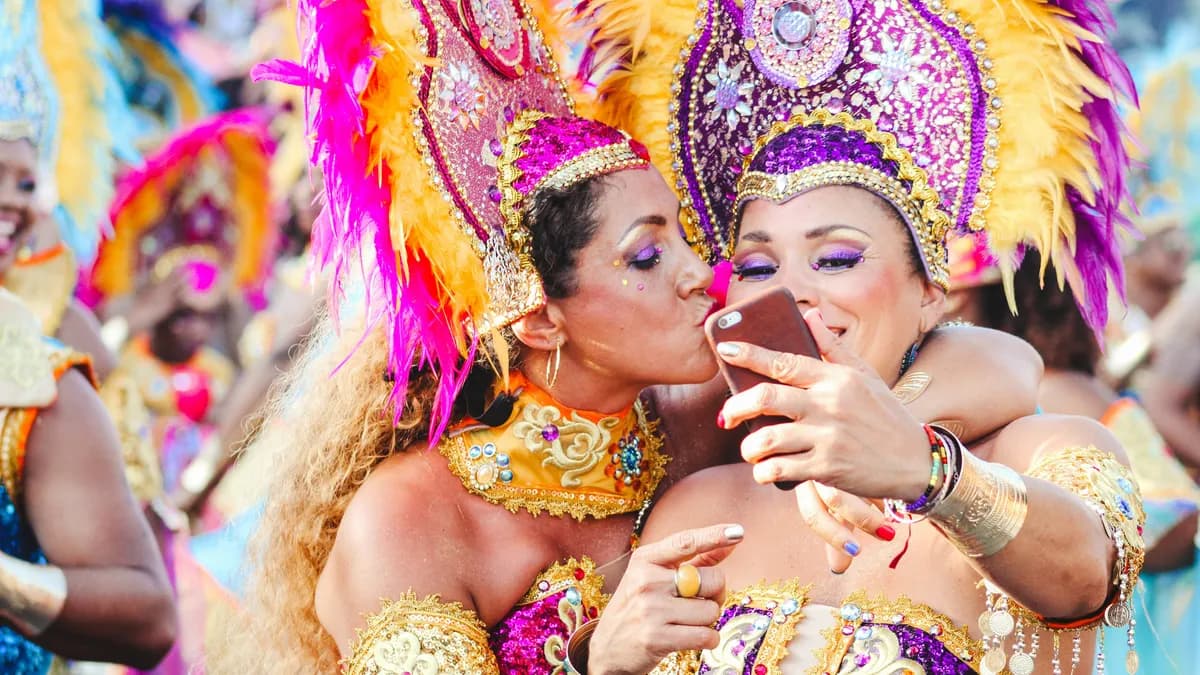
The Seú parade on Easter Monday is one of Curaçao's most authentic and rooted traditions, a celebration of the harvest that reaches back to the island's plantation and African heritage. Where Carnival is fast and flamboyant, Seú is steady and grounded: groups move in a slow, rhythmic shuffle behind the music, recreating the gestures of bringing in the crop.

The sound is the heart of it. The Seú harvest songs, part of the island's wider simadan harvest-song tradition, are carried by traditional percussion, the wiri (a metal scraper), drums, the conch shell, and the chapi, the iron hoe struck as an instrument to set the beat. Participants wear traditional dress: women in long, colourful skirts and headscarves, men in farmer's attire, often carrying harvest baskets and tools.

What makes Seú special

  • A folkloric harvest procession rather than a costume spectacle.
  • Traditional Seú harvest music driven by wiri, drums, conch, and the chapi hoe.
  • Authentic dress and a swaying, hypnotic group dance honouring the harvest.

It is a moving window into Curaçaoan identity and the island's deep cultural memory. Come for the music and the dignity of the procession rather than the party, stay for the food and folklore around the route, and base yourself near Willemstad, then unwind afterwards on a quiet stretch like Playa Lagun.

Good to know

Frequently asked questions

When is the Seú parade?

+
Seú is held on Easter Monday each year, so it falls in March or April depending on the date of Easter. It is a daytime procession, a folkloric harvest tradition rather than a night-time party.

What is Seú music?

+
Seú is built on traditional harvest songs, part of the island's wider simadan harvest-song tradition, carried by percussion: the wiri metal scraper, drums, the conch shell, and the chapi, an iron hoe struck as an instrument. The rhythm is slow, steady, and hypnotic.

How is Seú different from Carnival?

+
Carnival is fast, flamboyant, and costume-driven. Seú is grounded and folkloric: groups move in a slow, swaying shuffle in traditional farmer's dress, recreating the gestures of bringing in the harvest. It is about heritage rather than spectacle.

Can visitors watch the Seú parade?

+
Yes. The parade is free to watch from the roadside, and food and drink are sold along the route. Come for the music and the dignity of the procession, and base yourself near Willemstad for the easiest access.
Plan your visit

Seú Harvest Parade

When
Easter Monday each year (March or April, depending on the date of Easter)
Duration: 1 day
Location
Seú parade route, Willemstad
Willemstad
Cost
Free